
US Natural Gas Surplus Insulates Economy from Potential Iran War Energy Crisis
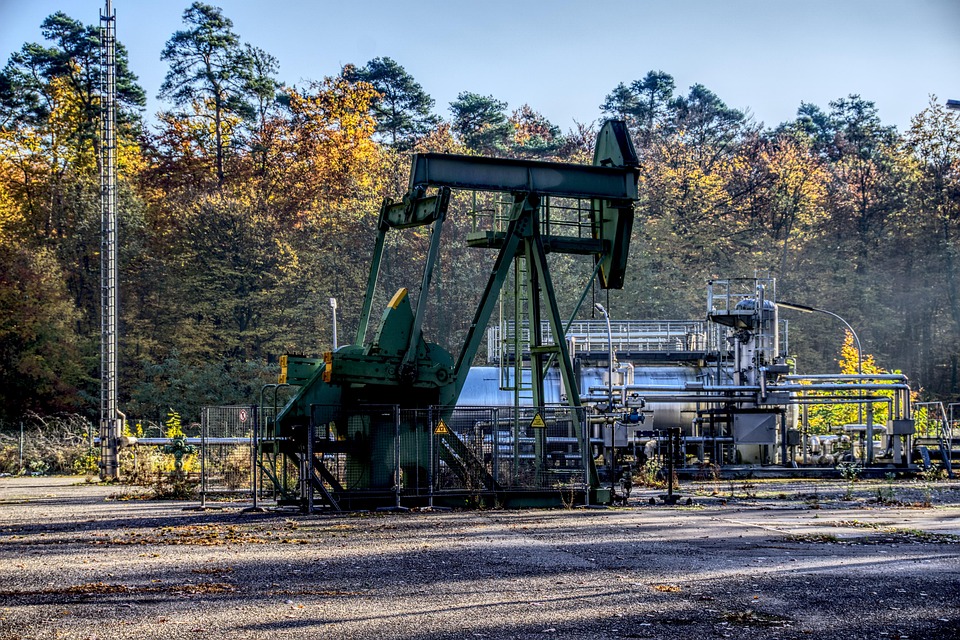
The current dynamics in the energy markets are heavily influenced by geopolitical tensions, particularly the conflict in Iran, which has led to significant disruptions in natural gas supplies across several regions. This has triggered a stark contrast in prices, with natural gas futures in Europe and Asia spiking by 40% and over 50% respectively, while prices in the US, particularly in regions like the Permian Basin, have plummeted to unprecedented lows, even dipping into negative territory. The underlying reason for this difference lies in the US’s overwhelming gas supply, which remains insulated from global market shocks. As of late April, Permian gas reached an all-time low of -$9.60 per million British thermal units, resulting in producers paying buyers to take the gas off their hands. This situation reflects a supply glut that, while problematic for producers, has benefits in moderating inflationary pressures in the broader US economy.
Global cues, such as fluctuations in the US Dollar and actions taken by the Federal Reserve, continue to play a crucial role in shaping the energy markets. The dollar’s strength impacts the purchasing power of foreign nations reliant on energy imports, while the Fed’s monetary policy influences domestic consumption and overall economic activity. Furthermore, geopolitical unrest, notably stemming from the Iran conflict, places increased pressure on international markets as countries scramble to secure energy supplies, exacerbating inflation in regions heavily reliant on imports. The disparity in energy prices between the US and other nations highlights the US’s unique position of energy security, bolstering its economic resilience amid global turmoil.
For Indian investors, the implications of these developments are notable, particularly in the context of the Multi Commodity Exchange (MCX). As international gas prices rise, Indian companies that rely on imported liquefied natural gas (LNG) face heightened costs, potentially impacting local fertilizer and energy sectors. Several domestic fertilizer manufacturers have already started to cut production due to rising gas prices, which could lead to further inflationary pressures. Conversely, the abundance of cheap gas in the US may present opportunities for India to explore imports under favorable conditions, allowing mitigating factors for domestic inflation and energy costs. Overall, navigating the interplay of global energy dynamics will be critical for Indian investors looking to optimize their portfolios amidst these turbulent market conditions.