
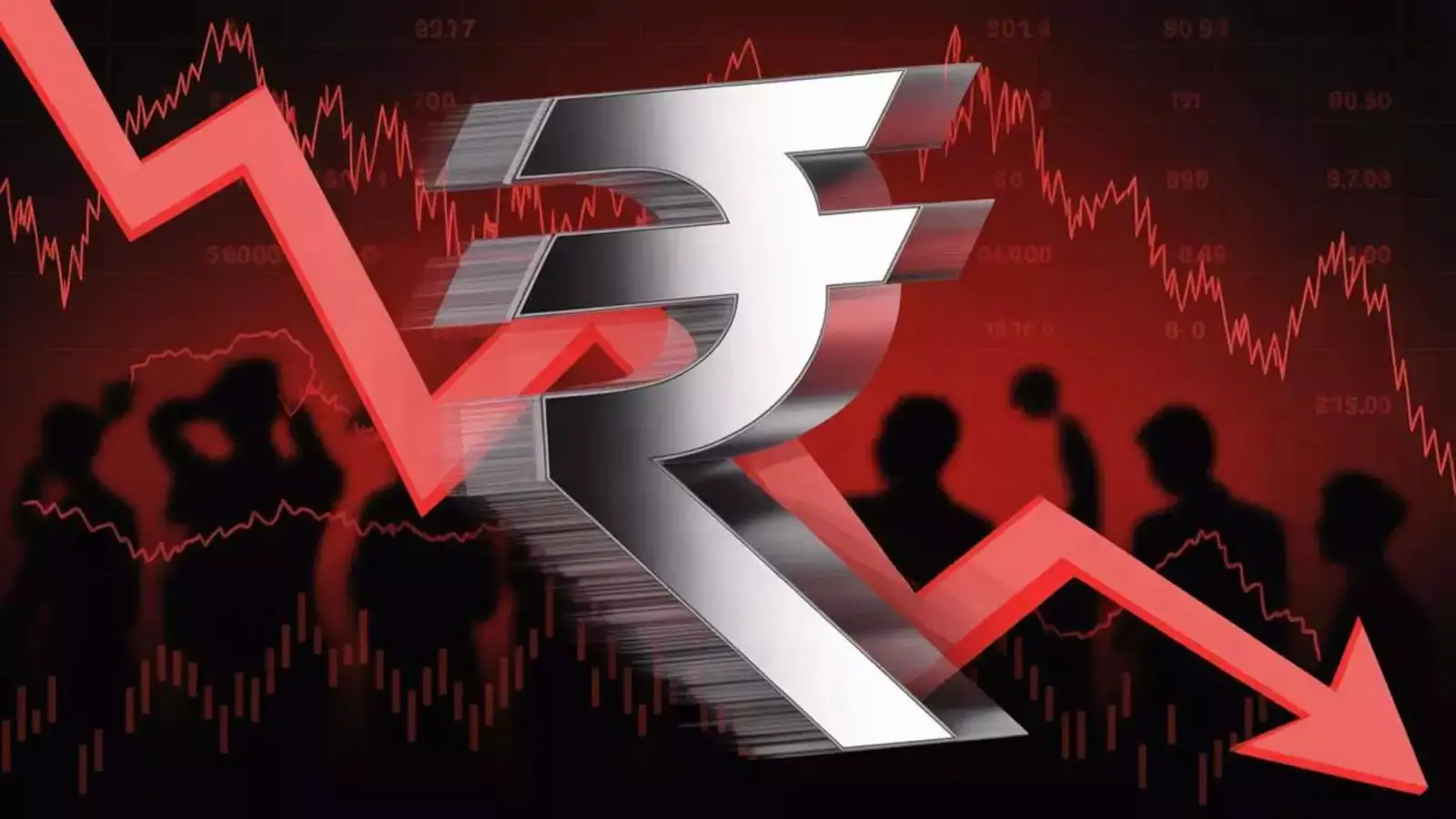
Rupee Hits Record Low, Sparking Defensive Measures from Indian Central Bank
The Indian rupee has reached a historic low, dipping to 95.3250 on Thursday, as investor sentiment wanes over the economic implications of surging crude oil prices, which have escalated to 2022 highs of $126 per barrel. This substantial rise threatens to disrupt the delicate balance of inflation and economic growth for India, a significant net energy importer. The rupee’s decline, marking a 0.5% drop for the day, eclipses its previous all-time low of 95.21 set in late March, showcasing a concerning trend for the currency amid a backdrop of increasing oil prices affecting an array of Asian peers such as the Indonesian rupiah and Philippine peso.
Despite prior attempts by the Reserve Bank of India to bolster the rupee through regulatory measures, the persistent external pressures—exacerbated by trade tensions with the U.S. and an unprecedented energy supply disruption—have stymied positive developments. Economists, including Dhiraj Nim from ANZ, suggest that while central bank interventions have temporarily mitigated speculative trading pressures, the underlying current account stress remains pronounced. This has triggered concerns over foreign capital flows, as evidenced by significant withdrawals exceeding $20 billion from Indian stocks and bonds during March and April, nearly doubling total outflows from 2025.
The ongoing geopolitical tensions, especially surrounding U.S. policy towards Iran, have further complicated the rupee’s outlook, adding to market volatility. Analysts caution that if oil prices maintain an average near $100 per barrel, GDP growth could plummet to 6%, down from previous expectations of 7%. This scenario paints a bleak picture where persistent currency weakness not only exacerbates inflation by elevating import costs but also discourages foreign investment due to diminished returns. The Indian economy now faces a critical juncture that requires strategic response measures from policymakers to shield against a potentially prolonged period of stagflation.
Source: The Economic Times
(Expert Note: This report was prepared by the Wealthova team.)