
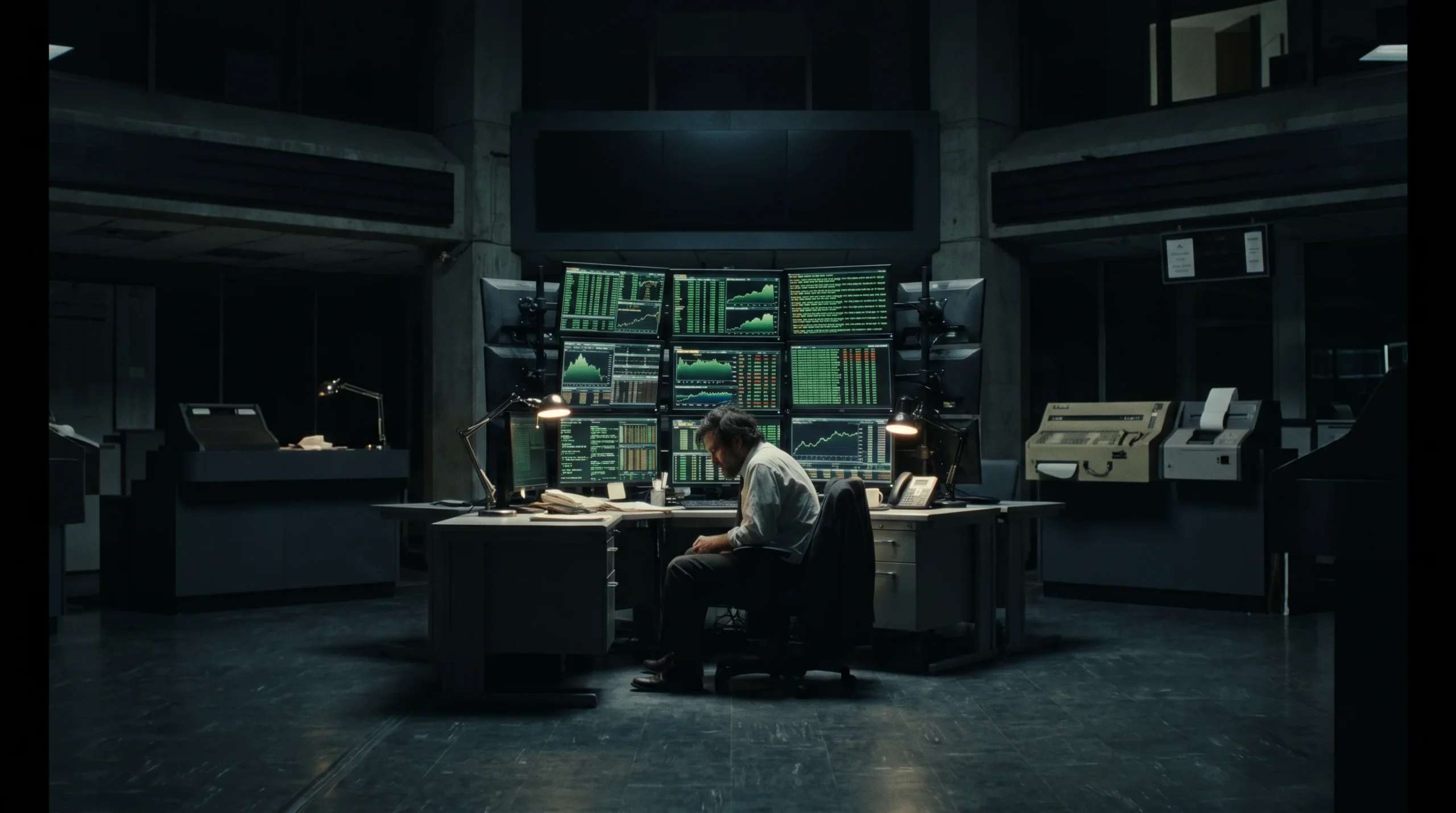
US Stocks Dip as Middle East Tensions Weigh on AI Optimism.
The recent trading activity in major US indexes reflects an undercurrent of geopolitical concern, particularly following heightened tensions between the US and Iran. Wall Street’s primary indexes experienced slight declines, with the Dow Jones Industrial Average and the S&P 500 dropping by 0.18% and 0.09%, respectively. This sentiment comes amid warnings from Iranian officials that aggressive maneuvers in the Strait of Hormuz may escalate if diplomatic channels with the US do not yield results. Commodity markets responded with Brent crude futures climbing 0.4%, while the energy sector in the S&P 500 gained 0.2%, suggesting that investors are positioning themselves for potential disruptions in oil supply chains.
In contrast, the technology sector displayed resilience, bolstered by strong forecasts from companies like Anthropic, which is eyeing an IPO with projected revenues between $190 billion and $200 billion by 2028. This has infused a sense of optimism surrounding tech stocks, most notably chipmakers such as Micron Technology and SanDisk, which gained 4.5% and 6.7%, respectively. The S&P 500’s technology sector managed a marginal increase of 0.1%, demonstrating its role as a stabilizing force amidst broader market volatility. Investors are now looking ahead to earnings reports from Nvidia, which could provide critical insights into the sustainability of this tech-led growth.
In terms of monetary policy, the market has indicated a shift in expectations regarding federal interest rates. As of now, traders anticipate only a 31% chance of a 25-basis-point hike in September, a decline from previous assessments. This reflects an evolving outlook following a series of softer inflation reports, which have contributed to a more cautious stance on rate adjustments. Notably, the Wells Fargo Investment Institute has reevaluated its projections, now forecasting a rate increase later this year, signifying that key financial institutions remain vigilant about potential shifts in economic conditions.
In addition to external pressures, internal market dynamics are noteworthy, as declines outpaced advances by 1.55 to 1 on the NYSE and 1.43 to 1 on the Nasdaq. Despite recent gains, this undercurrent of selling activity points to a complex market environment shaped by both geopolitical uncertainties and sector-specific challenges. Investors will continue to scrutinize upcoming earnings reports, particularly from retail giants like Walmart and Home Depot, as these results may influence market sentiment further in the coming trading sessions.
Source: The Economic Times
(Expert Note: This report was prepared by the Wealthova team.)