
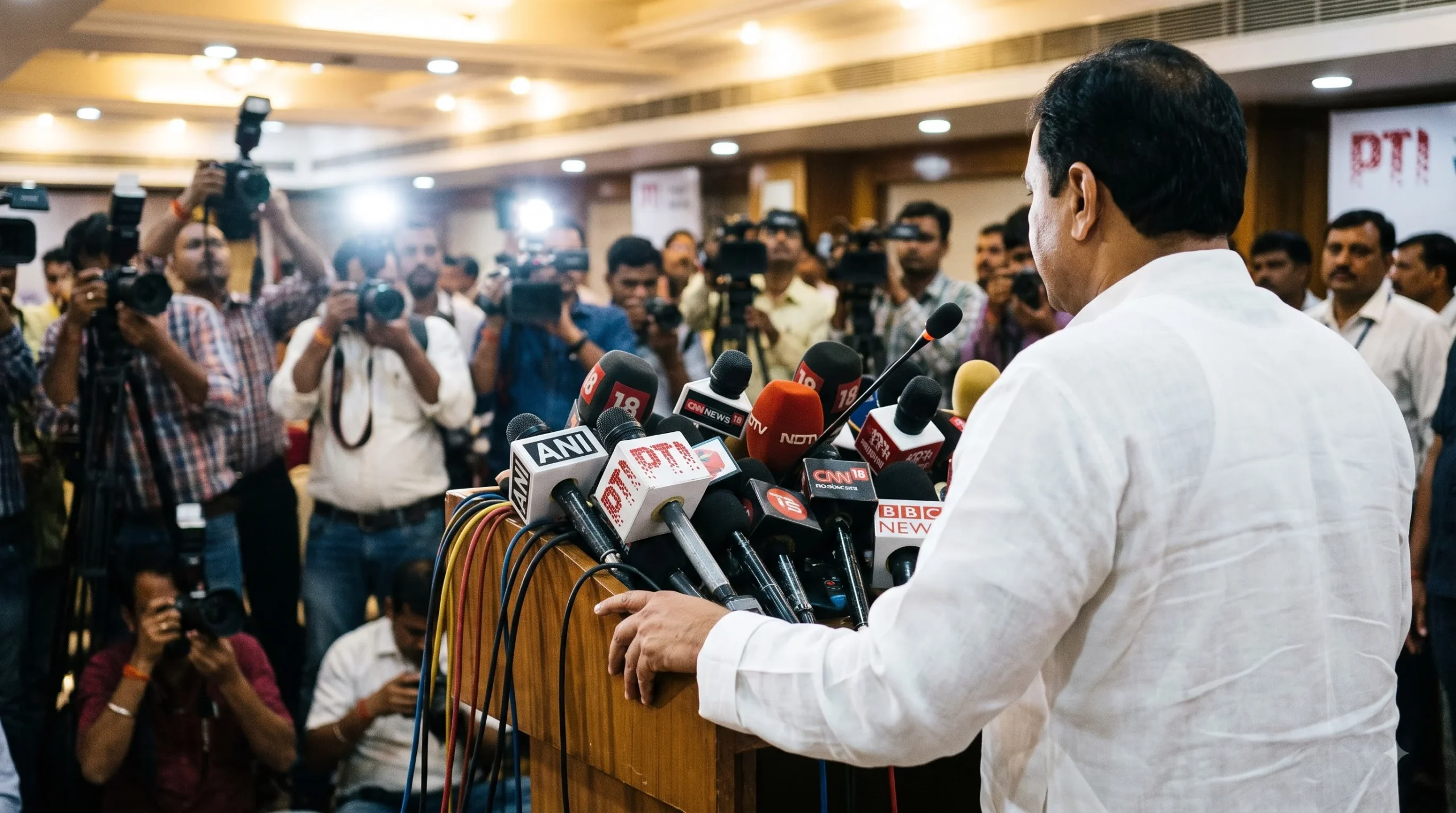
Rijiju Responds to Opposition’s ‘Proud to Be’ Remark with Controversial ‘Dimagi Naxals’ List After PM Modi Remarks Clarified.
The recent exchange between Union Parliamentary Affairs Minister Kiren Rijiju and opposition leaders highlights a contentious political atmosphere in India, particularly surrounding Prime Minister Narendra Modi’s characterization of certain ideologies as “dimagi naxals.” Rijiju defended Modi’s remarks by clarifying that the term is intended for ideological opponents who challenge the Indian Constitution or support separatist movements, rather than as a direct accusation against opposition leaders. This assertion underscores the ruling party’s strategy to delineate ideological boundaries, as they aim to consolidate their image as guardians of national unity against perceived threats from various ideological factions.
In his address from the Red Fort, PM Modi’s statements emphasized a dual threat posed by both armed and ideological Naxalism, suggesting that while physical conflicts have subsided, a psychological or intellectual challenge persists. By calling for the identification and isolation of these “dimagi naxals,” the Prime Minister seeks to galvanize public sentiment, framing his administration as a force for national development and unity. This rhetoric, however, has drawn significant backlash from opposition figures, notably from the Congress party, who dismissed Modi’s assertions as mere political theatrics rather than a substantive critique of dissenting viewpoints.
Opposition leaders, such as P. Chidambaram and Jairam Ramesh, have actively rebuffed the characterization of political dissent as extremist, arguing that such labels are employed to marginalize critics. Ramesh, in particular, drew parallels to previous terminologies used by the Prime Minister, such as “Urban Naxal,” to underscore a perceived pattern of vilification that ultimately fails to address the legitimate concerns raised by the opposition. This exchange points to a broader narrative where political discourse is punctuated by accusations rather than constructive dialogue, thereby complicating efforts toward consensus governance.
Source: Hindustan Times
(Expert Note: This report was prepared by the Wealthova team.)