
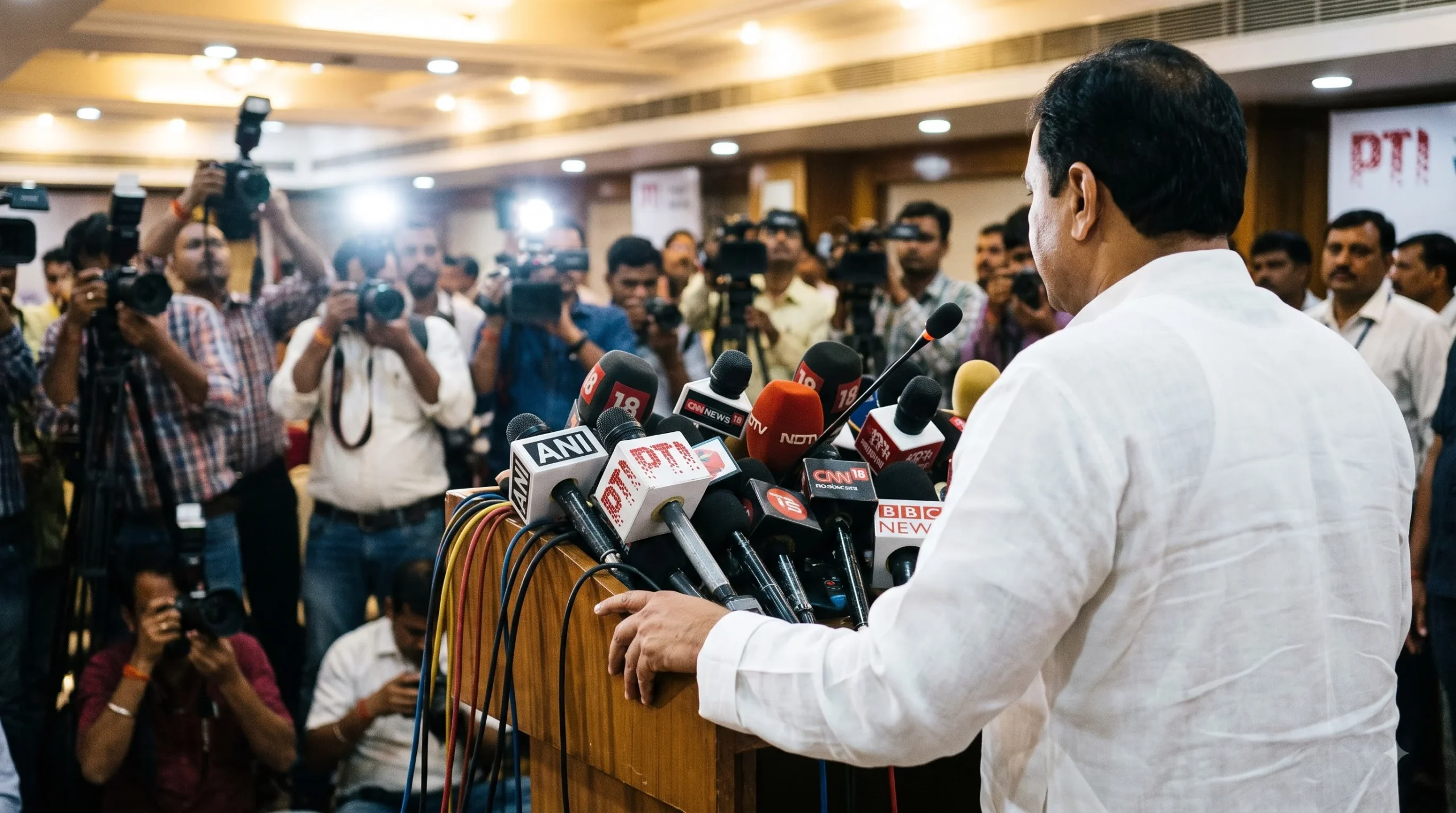
Rajasthan Government Imposes Restrictions on Outsiders, Photography, and Interviews Ahead of CJP’s Scheduled School Visits.
The Rajasthan government has recently implemented stringent restrictions concerning unauthorized entry into state-run schools, aiming to enhance the security and privacy of students and staff. This directive stipulates that any outsider wishing to enter a school must have prior permission from the principal and must register upon entry. The government has invoked the principle of “in loco parentis,” focused on safeguarding the well-being of children. This measure aligns with existing school safety guidelines and the rights of children as outlined by the National Commission for Protection of Child Rights (NCPCR).
Simultaneously, the political landscape is heating up as the Cockroach Janta Party (CJP) launches its ‘School Thik Karo’ initiative, led by spokesperson Ashutosh Ranka. Ranka’s campaign aims to assess the physical conditions of schools across Rajasthan, underscoring claims of neglect and dilapidation within various educational institutions. His commitment to visiting several key cities reflects a strategy to engage public sentiment and increase accountability among the ruling administration regarding educational standards and infrastructure.
In response, the opposition has been vocally critical of the government’s new guidelines. Rajasthan Congress chief Govind Singh Dostara has accused the BJP-led government of deflecting responsibility for the dysfunctional state of public education by restricting external scrutiny instead of addressing the root issues. This opposition narrative positions the ruling party as being reactionary rather than proactive, potentially exploiting the vulnerability of the educational system as a political lever.
The implications of these developments may resonate deeply within the state’s socio-political fabric. As the government emphasizes the legal ramifications for unauthorized intrusions, it simultaneously risks exacerbating tensions with the opposition, who may leverage the dissatisfaction concerning educational conditions to rally support. The evolving scenario indicates that governance in Rajasthan is at a pivotal intersection, balancing student safety with the pressing need for educational reform, oversight, and community engagement.
Source: Hindustan Times
(Expert Note: This report was prepared by the Wealthova team.)