
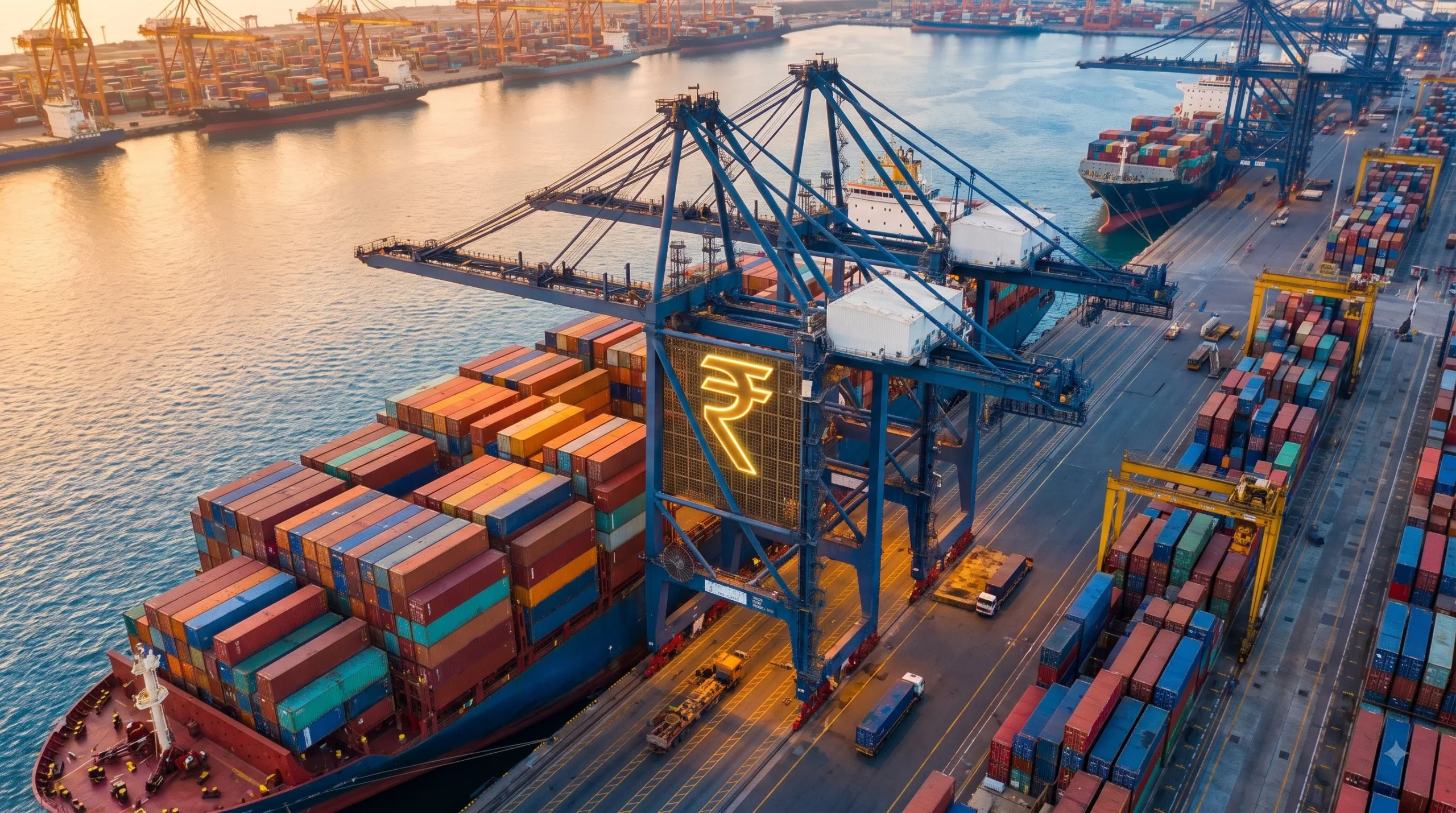
IMF Reports AI Surge Fuels Global Trade Growth, Favoring China and India
The International Monetary Fund (IMF) has reported that the demand for artificial intelligence (AI) technologies has significantly contributed to growth in global trade, particularly in China, India, and other Asian markets. IMF Chief Economist Silvana Tenreyro highlighted in a recent press briefing during the annual meetings in Bangkok that without the AI boost, the growth rates of global trade would have been much slower. In addition, she expressed concern regarding the high levels of public debt across nations, urging governments to implement budget cuts to reduce fiscal deficits and recommending more restrictive monetary policies to lower inflation rates to target levels.
This announcement has important implications for the common citizen and market participants. The enhanced growth driven by AI suggests a bolstering of economic opportunities, particularly in tech-driven sectors, which may translate to job creation and increased wages in these fields. However, the emphasis on budget cuts and the pursuit of higher interest rates could lead to a tightening of financial conditions that may stifle broader economic growth and increase borrowing costs for consumers and businesses, thereby affecting spending and investment decisions.
Looking ahead, the IMF’s focus on reducing deficits and implementing tighter monetary policies indicates that governments and central banks may prioritize fiscal responsibility in the face of burgeoning debt levels. This approach could lead to a more stable economic environment in the long run but might slow immediate growth. Investor sentiment could shift as markets respond to interest rate changes, and sectors reliant on cheap credit may experience volatility. Stakeholders will need to monitor these developments as they unfold while considering the broader implications for economic resilience and market dynamics.
• WEALTHOVA INSIGHTS
As AI boosts growth in key Asian economies, retail investors should consider the implications of tighter monetary policies on market sectors. Higher interest rates may affect borrowing and spending, cautioning stakeholders to remain vigilant to potential market fluctuations.
Disclaimer: Market insights and analyses on Wealthova are strictly for educational and informational purposes and do not constitute financial or investment advice. Please consult a SEBI-registered financial advisor before making investment decisions.
Source: The Hindu
(Expert Note: This report was independently prepared by the Wealthova Economy team.)