
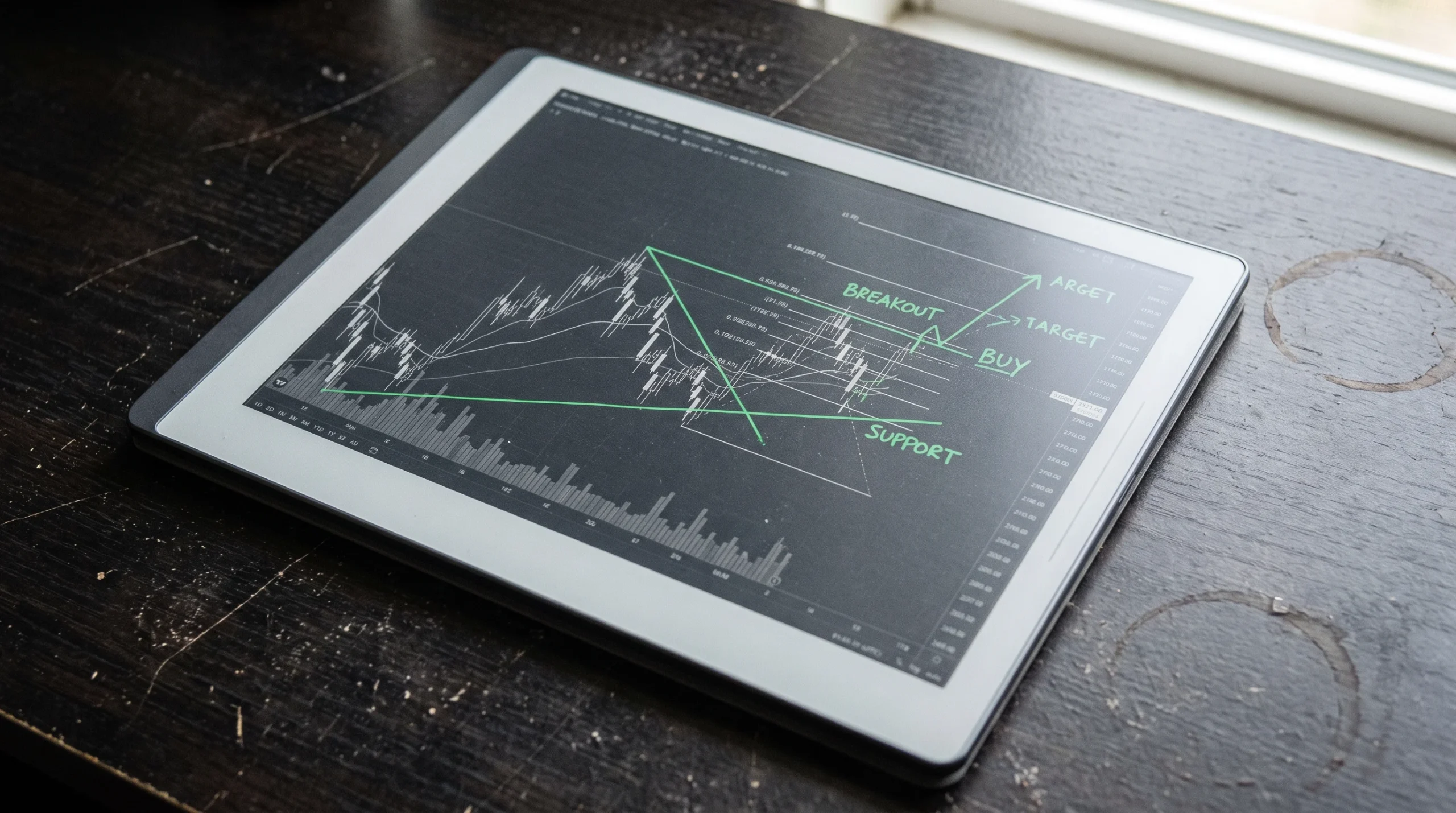
Robert Kirby’s Insight: Long-Held Cash Could Cost You in a 20% Compounding Equity Market!
Recent insights underscore a critical dilemma for long-term investors: the substantial opportunity cost associated with holding cash while equity markets continue to compound at high rates, such as the notable 20% per annum observed in recent years. Robert Kirby’s analysis elucidates the danger of remaining on the sidelines when equities are poised for growth. Cash indeed offers safety and liquidity, but it also incurs the hidden cost of forgone gains in a thriving market landscape. The compounding effect of equity returns can amplify even minor discrepancies in annual performance into significant wealth disparities over time.
Cash may serve as a safe haven during periods of excessive valuations or heightened risk, yet the persistent retention of cash can prove detrimental if equity markets ascend without interruption. Investors must be wary of the psychological traps associated with market timing; the pursuit of a perfect entry point often results in missed opportunities as markets advance. The historical unpredictability of market movements further complicates the decision-making process, leading to potential paralysis rather than informed investment strategy. Thus, the importance of remaining engaged with quality assets cannot be overstated for duration-driven investors.
Kirby’s commentary advocates for a balanced approach, urging investors to differentiate between cash needed for immediate financial obligations and excess liquidity stemming from anxiety over market volatility. The risk of inaction—a consequence of excessive cash holdings—can ultimately undermine long-term wealth creation. Investors are encouraged to recognize that every decision, including the choice to remain in cash, constitutes an active investment stance that carries implications for wealth accumulation over the long term.
In summary, the overarching lesson is clear: in an environment of rapid equity compounding, strategic allocation of capital is paramount. While cash retains its significance in liquidity management, the potential cost of lost opportunities through prolonged cash holdings can be substantial. Investors are advised to reassess their liquidity positions regularly, balancing immediate financial needs with the imperative to capitalize on the compounding power of equities.
Source: The Economic Times
(Expert Note: This report was prepared by the Wealthova team.)