
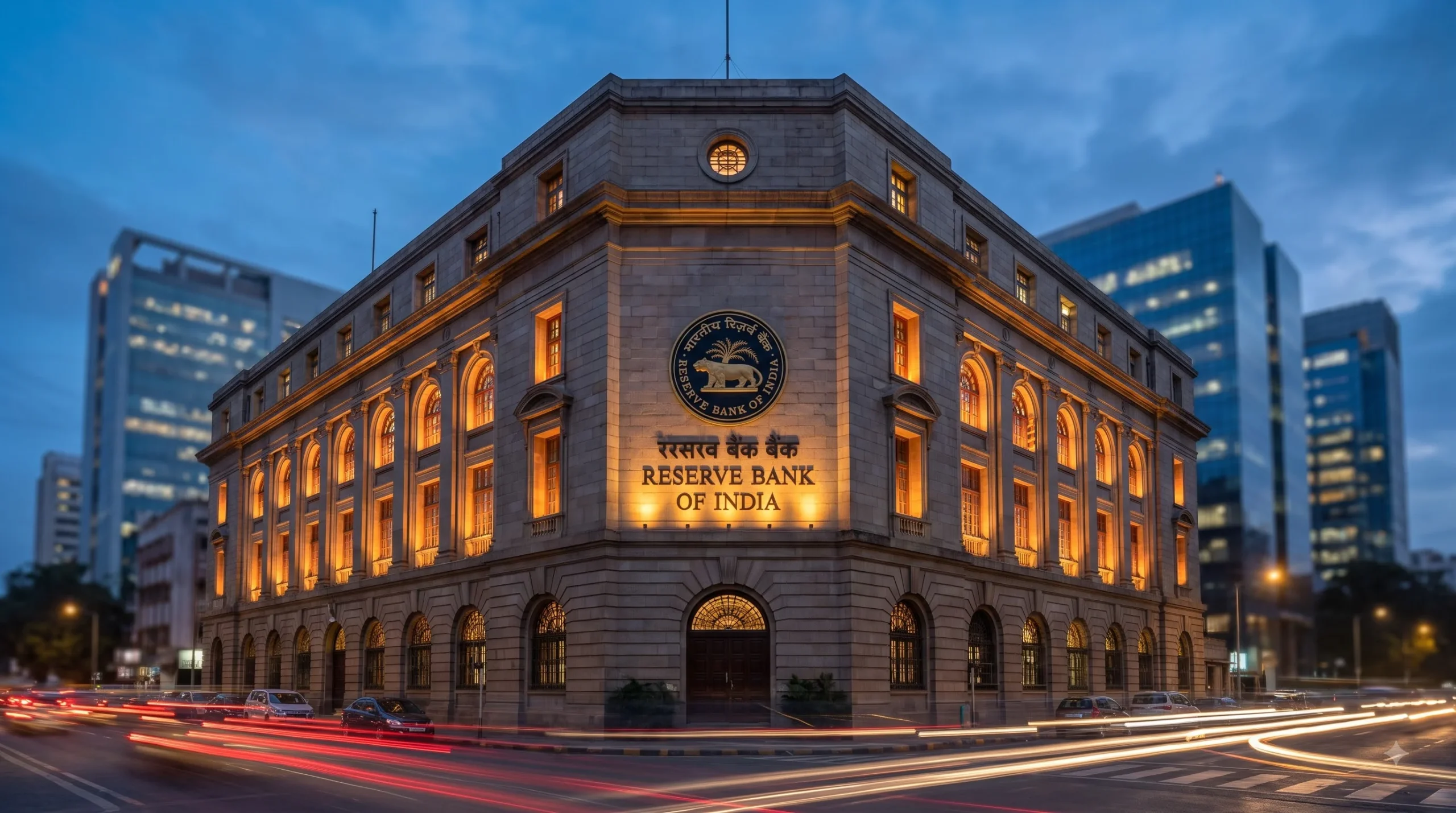
India’s Interest Rate Discrepancy with G7 Under Scrutiny Amid RBI’s Inflation Concerns, Reports Indicate.
The Reserve Bank of India (RBI) is facing significant pressures regarding its monetary policy as it navigates rising inflation risks, highlighted in a recent report by YES Bank. The report emphasizes the necessity of maintaining a specified interest rate gap between Indian and G7 economies to attract foreign debt capital, particularly as the US Federal Reserve continues its rate-hiking cycle. Consequently, the RBI’s inflation projection for the third quarter of FY27 has reached 6%, which is at the upper limit of its established tolerance band of 2-6%. The report also pointed out increasing core inflation and rising expectations among households regarding inflation, suggesting a need for vigilance in policy response.
For ordinary citizens, this inflation outlook implies that consumer prices may continue to rise, as evidence suggests businesses are passing on increased input costs to consumers. The anticipated tightening of monetary policy, with projections of a 50 basis point increase in the policy repo rate over the coming months, could lead to higher borrowing costs and impact spending capacities for households. The market may experience volatility as investors recalibrate expectations based on potential shifts in monetary policy, ultimately affecting both consumer confidence and economic activity.
Looking ahead, the RBI must carefully consider its next steps to manage inflation while also ensuring that India’s interest rate differential remains attractive to foreign investors. While GDP growth has been robust, reaching 7.8% in the first quarter of FY27, external factors such as energy prices and supply chain disruptions pose risks to this growth trajectory. Policymakers will need to strike a delicate balance, potentially responding with interest rate adjustments in December and February, as they aim to prevent the broader impact of inflation from undermining the economic stability that has been achieved thus far.
• WEALTHOVA INSIGHTS
Investors should remain vigilant as higher interest rates may influence borrowing costs and consumer spending. Continuous monitoring of inflation trends will be critical for assessing the overall economic landscape and making informed investment decisions.
Disclaimer: Market insights and analyses on Wealthova are strictly for educational and informational purposes and do not constitute financial or investment advice. Please consult a SEBI-registered financial advisor before making investment decisions.
Source: The Hindu
(Expert Note: This report was independently prepared by the Wealthova Economy team.)