
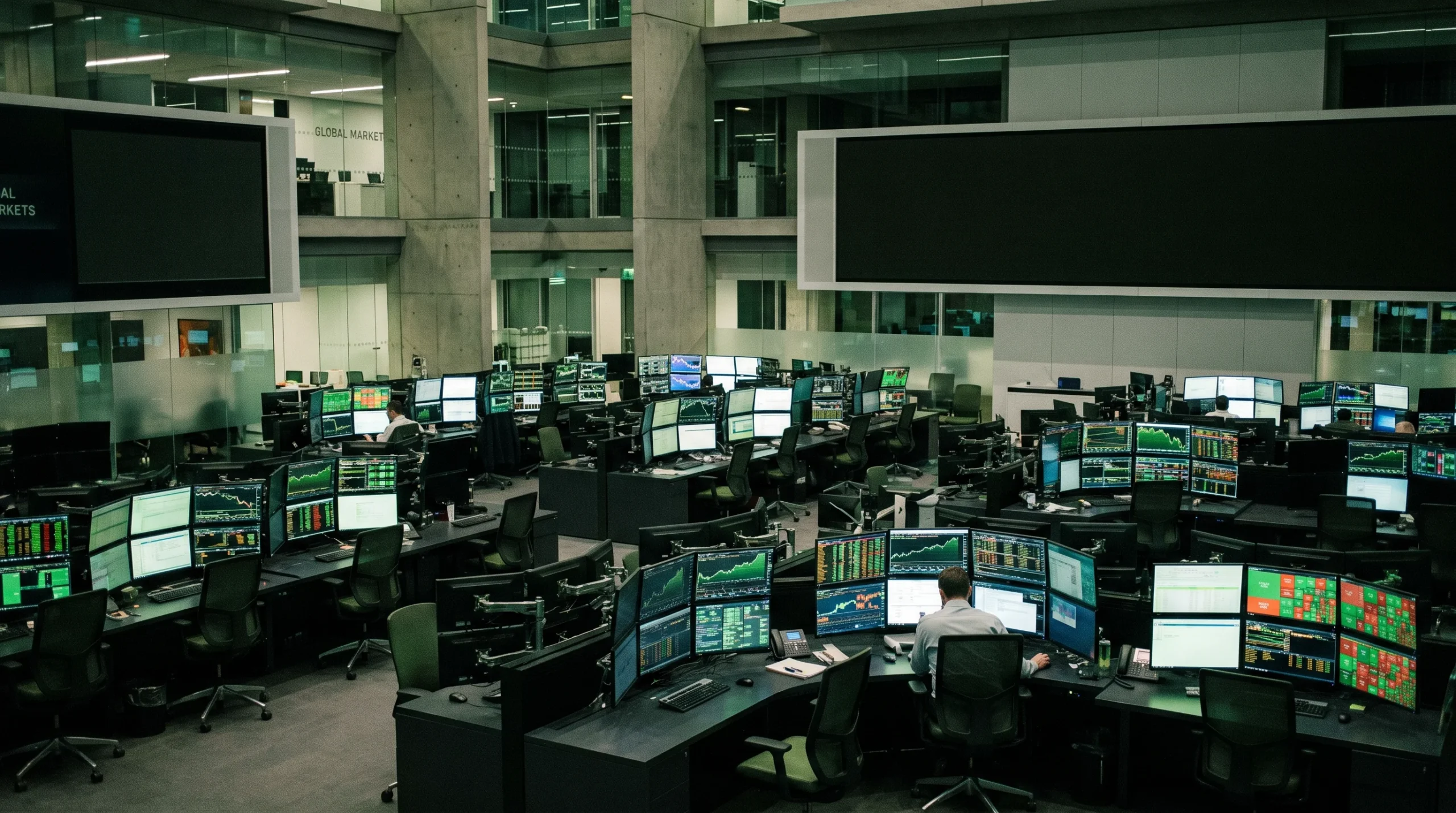
U.S. Bank Stocks on Track for Worst Weekly Losing Streak Since 2008 as Market Volatility Escalates.
The recent performance of major U.S. banks paints a troubling picture, with the KBW Bank Index experiencing its longest weekly losing streak since the 2008 financial crisis. This week alone, the index fell approximately 1.3%, pushing it down about 13% from its peak in August, as mixed quarterly earnings failed to buoy investor sentiment. The ongoing decline signals persistent woes within the sector, exacerbated by a backdrop of mixed economic signals and the impacts of evolving technology like artificial intelligence, which is reshaping the landscape of financial services.
Investors’ concerns have been amplified by a hotter-than-expected inflation reading, raising questions about the Federal Reserve’s potential actions to combat persistent price pressures. Analysts, including Bloomberg Intelligence’s Herman Chan, highlight the multitude of challenges facing large banks, such as the likelihood of prolonged high-interest rates, which could dampen economic growth and lead to increased loan losses. While some banks showed resilience in equity trading, the disappointing performance in fixed-income trading showcases the fragile state of revenue streams, particularly as AI companies grapple with rising funding costs.
The broader implications for the economy remain unsettling, as banks traditionally play a crucial role in sustaining credit growth. A decline in bank profitability could hinder the financial system’s ability to support economic expansion. Additionally, the emerging threats posed by agentic AI on the reliability of low-cost deposits could further destabilize traditional revenue models for banks. Notably, since the Fed’s interest rate increase in mid-September, the KBW Bank Index has underperformed the S&P 500 in 18 out of 21 trading sessions, emphasizing the deepening challenges within the banking sector.
• WEALTHOVA INSIGHTS
Investors should closely monitor the banking sector’s performance amid these challenges, as further declines may affect overall market stability. Reassessing exposure to financial stocks could be prudent, particularly as technological disruptions and interest rate uncertainties persist.
Disclaimer: Market insights and analyses on Wealthova are strictly for educational and informational purposes and do not constitute financial or investment advice. Please consult a SEBI-registered financial advisor before making investment decisions.
Source: The Economic Times
(Expert Note: This intelligence brief was structured and verified by the Wealthova editorial desk.)