
Gold Poised for Rebound as Safe-Haven Demand Surges Following US-Iran Conflict Selloff
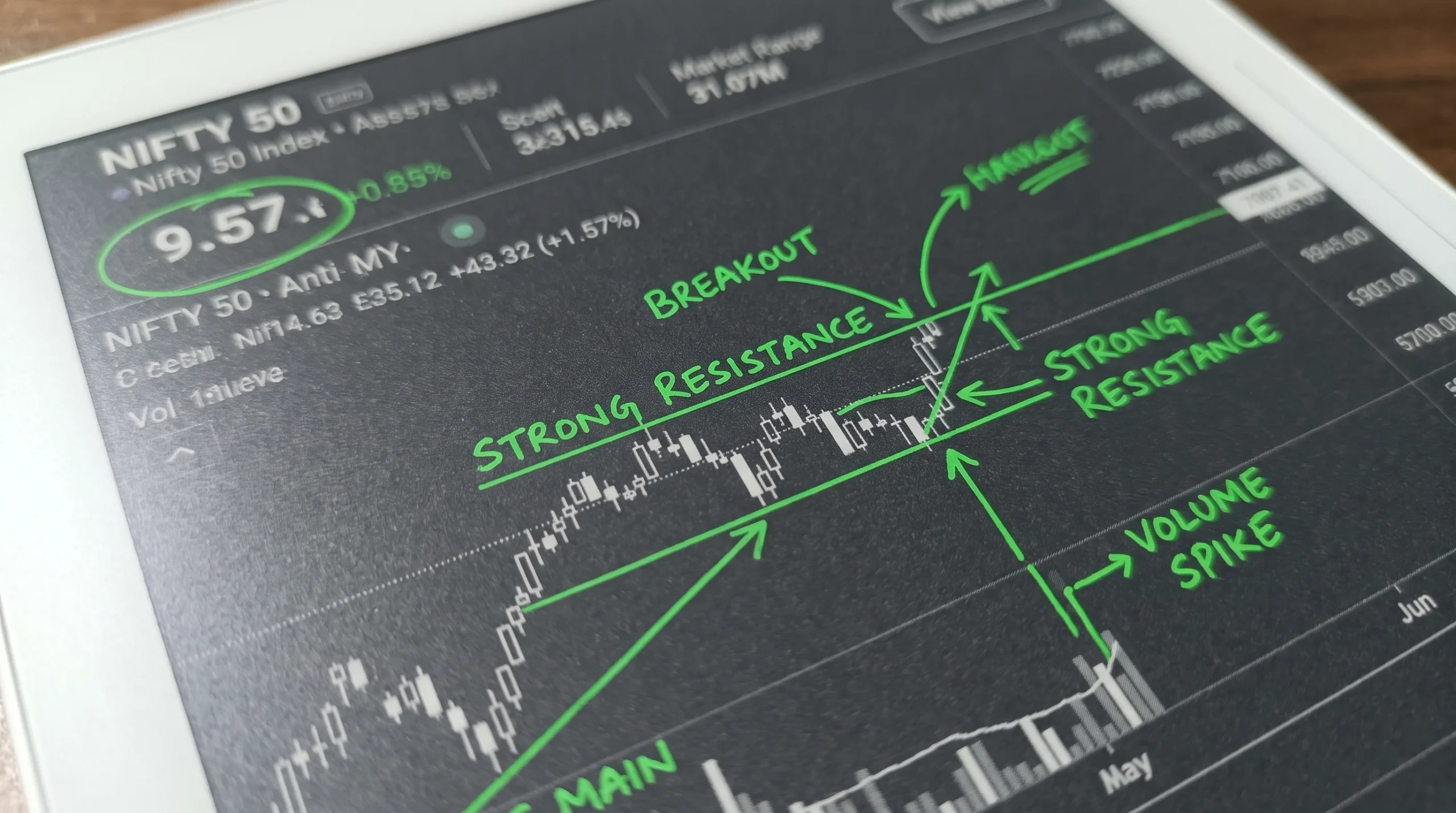
Gold’s recent resurgence, marked by a 9% recovery in August to approximately $4,400 an ounce, highlights a pivotal shift in market sentiment favoring the precious metal among institutional investors and central banks. This rebound follows a sharp decline triggered by the US-Israeli conflict with Iran, which saw prices plummet from a record high of $5,595 in January to below $4,000 in June. Analysts are interpreting this recovery as a sign that the immediate panic surrounding geopolitical tensions is subsiding, allowing gold to reclaim its status as a safe-haven asset. The current landscape reveals that gold’s recovery has broken through critical resistance levels, buoyed by declining oil prices and softer inflation data, which has alleviated concerns regarding imminent interest rate hikes.
Market observers, including HSBC’s chief precious metals analyst James Steel, suggest institutional demand is a significant driver behind gold’s gains. The evident increase in trading volume, particularly for large gold bars, signals renewed appetite among institutions, with noticeable premiums in Asian markets, notably in China, where the premium reached $1.50 an ounce. This resurgence appears to be fueled by a strategic rebuilding of positions by institutional investors who had previously liquidated holdings amid the conflict’s volatility. Such behavior indicates a calculated return to gold as a secure investment against ongoing economic uncertainties.
Despite the notable recovery, there are cautionary elements that could temper further price appreciation. Efforts to diplomatically resolve the ongoing conflict in Iran remain stagnant, alongside weak demand for jewellery and coins, which are traditionally significant drivers of gold consumption. Additionally, inflows into gold-backed ETFs have been tepid, as evidenced by the modest $7 billion increase in assets under management during the early phase of August, bringing the total to $582 billion. These factors suggest that while institutional interest may bolster gold’s price, broader market fundamentals could pose challenges moving forward.
Technical indicators further complicate the outlook for gold. The relative strength index indicates that the metal may be nearing an “overbought” status, potentially leading to a market correction. Furthermore, the 200-day moving average stands at $4,504, presenting a formidable barrier that price action will need to navigate in order to sustain upward momentum. In summary, while recent trends point to a cautiously optimistic environment for gold, investors should remain vigilant in assessing the interplay of geopolitical developments, market demand, and technical signals in shaping the future trajectory of gold prices.
Source: The Economic Times
(Expert Note: This report was prepared by the Wealthova team.)