
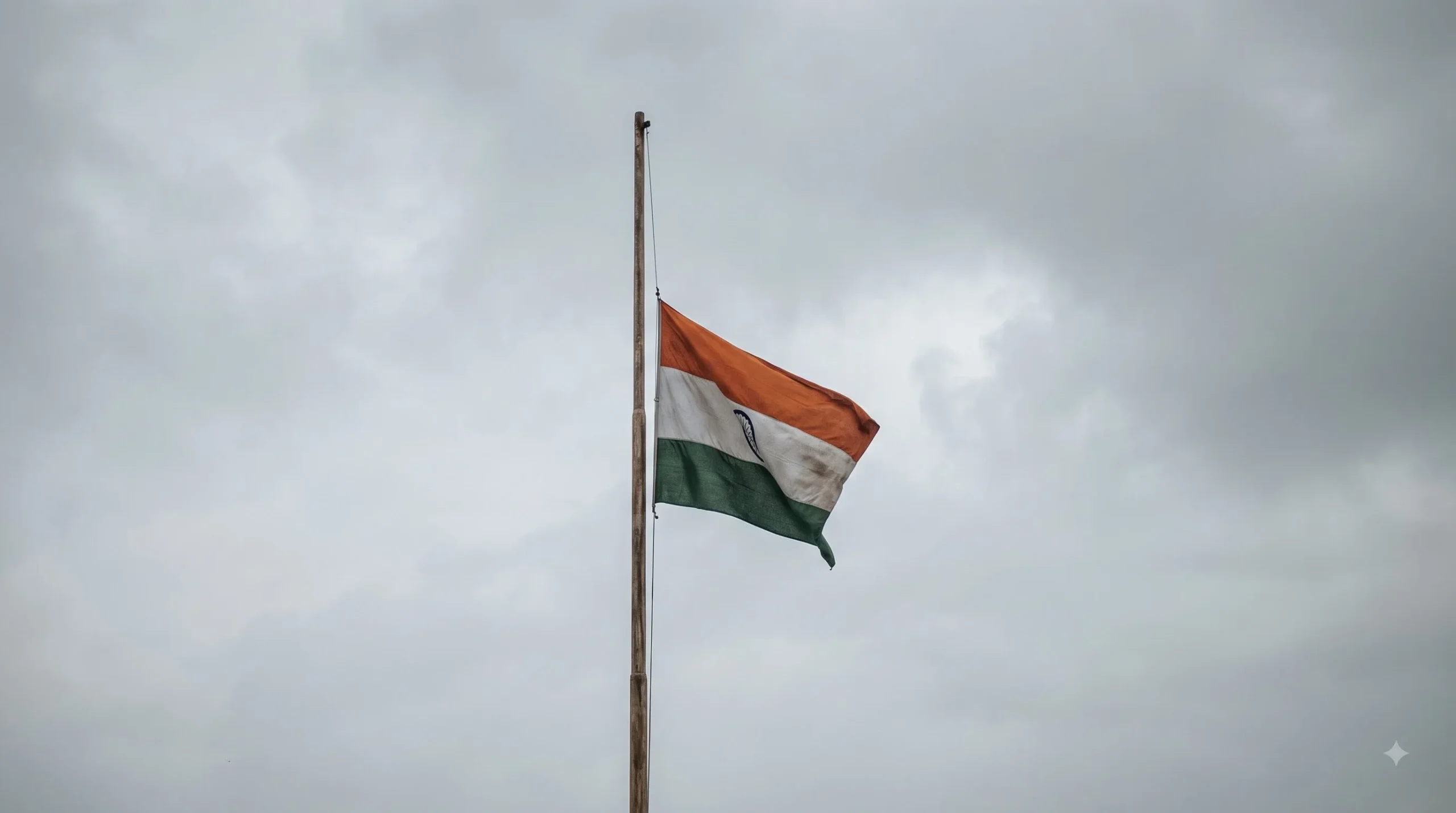
Jharkhand Students Demand Rahul Gandhi to Withdraw Government Support as They Plan Protest at CM Soren’s Residence.
The ongoing protests in Jharkhand, now entering their 24th day, reflect a significant unrest among students regarding alleged irregularities in examinations conducted by the Jharkhand Public Service Commission (JPSC) and the Jharkhand Staff Selection Commission (JSSC). Led by student leader Devendra Nath Mahto, the demonstrations have seen increasing tensions as protesters demand a CBI probe into the allegations and the cancellation of the contested JSSC-CGL examination. The backdrop of the unrest has been marked by incidents of police violence, specifically a lathi charge on students, which has drawn sharp criticism from various political leaders, including Congress leader Rahul Gandhi. Students have publicly invited him to join their protests, questioning the sincerity of political leaders’ condemnations while maintaining their alliance with the government.
The Jharkhand government, represented by Chief Minister Hemant Soren, has faced backlash for its handling of the protests. Criticism from opposition party BJP has been particularly vociferous, urging the chief minister to engage directly with the students rather than delegating negotiations to other ministers. This absence from dialogues has fueled perceptions of governmental indifference towards student grievances and has been seized upon by opposition figures as an opportunity to galvanize political support against the incumbent administration. A notable highlight of the protests has been the act of students burning effigies of prominent political figures, underscoring the depth of frustration with the current regime’s perceived failures.
As talks are scheduled to resume, there appears to be a cautious optimism among the student body. Leaders like Mahto express hope that negotiations could lead to a constructive resolution, yet skepticism persists regarding the government’s willingness to address demands adequately. The students’ determination is evident, with plans to gherao the chief minister’s residence if their concerns remain unaddressed. The landscape of Jharkhand’s political climate continues to evolve against this backdrop of student activism, highlighting broader systemic issues within the state’s recruitment processes that echo larger themes of accountability and transparency.
Amidst this turmoil, various political figures have attempted to frame the situation to their advantage. Congress leaders have emphasized the necessity for dialogue while accusing the BJP of politicizing the unrest for their own gain. This sharpening of political lines illustrates how the student-led protests are not merely an isolated event but indicative of a deeper discontent with the governance in Jharkhand. As the state navigates this critical juncture, the outcome of these negotiations could either exacerbate divisions or foster a renewed commitment to systemic reform in the recruitment landscape, shaping the future political narrative in Jharkhand.
Source: Hindustan Times
(Expert Note: This report was prepared by the Wealthova team.)