
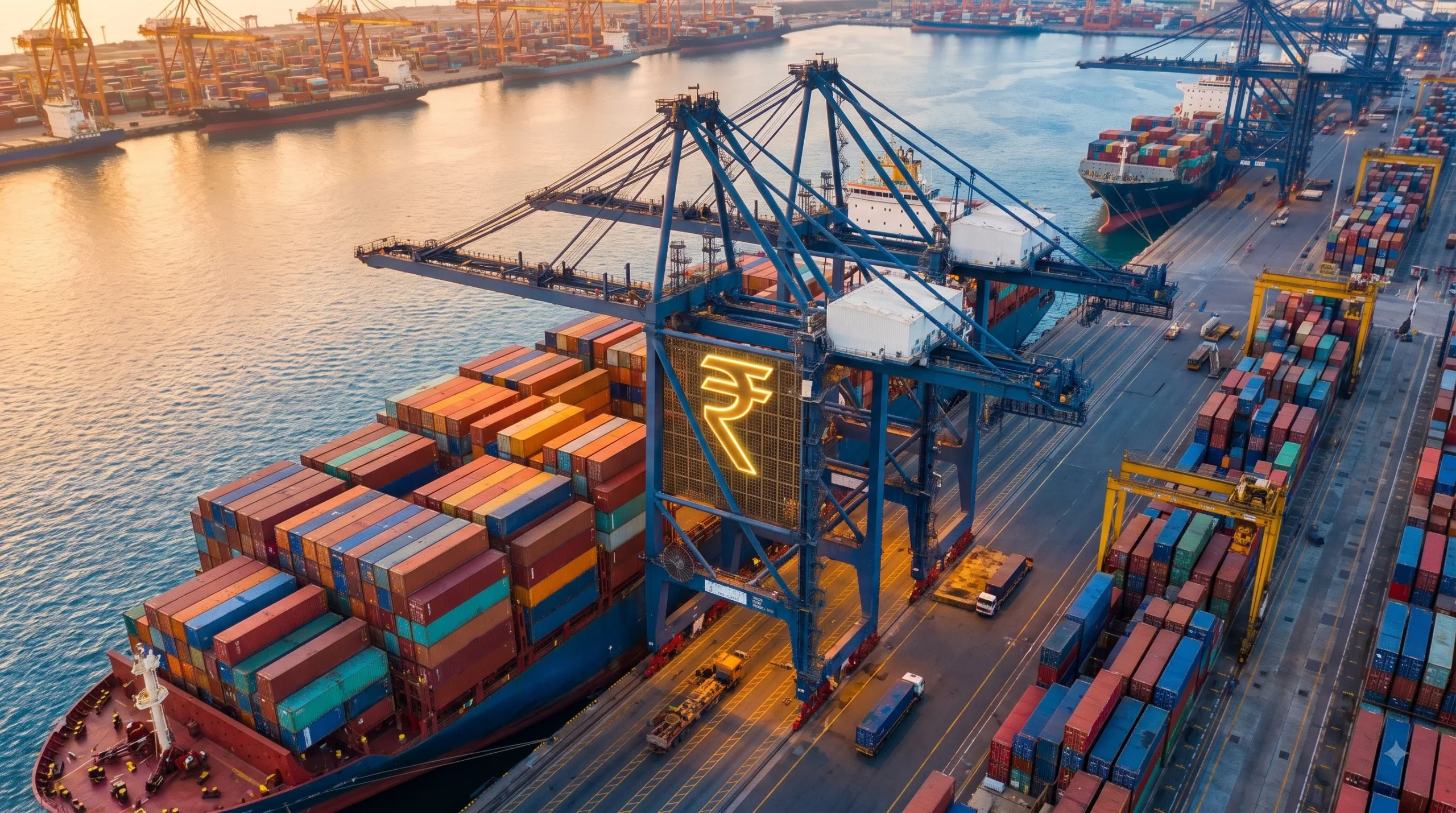
India Urged to Bolster Shipping Infrastructure and Naval Defense in Response to Rising Chokepoint Threats, Says GTRI
The ongoing Red Sea crisis has entered its 1,000th day, significantly impacting India’s trade dynamics with Europe, the UK, North Africa, and the US East Coast. The Global Trade Research Institute (GTRI) has reported that this prolonged disruption, originally sparked by military actions affecting shipping routes, has led to increased freight and insurance costs for Indian exporters. As a result, major shipping companies are increasingly diverting voyages around the Cape of Good Hope, thereby extending transit times and further complicating trade logistics. This shift has exacerbated cost pressures, particularly for small and medium-sized enterprises (MSMEs) in India who are struggling to manage heightened operational expenses.
For the average citizen and market participants, these developments imply not only higher prices for imported goods but also potential constraints on domestic production as exporters grapple with inflated logistics costs. Escalating freight rates, which have surged by as much as 200-400% for some routes, could translate into elevated consumer prices and reduced variety in the domestic market. Moreover, the long processing times for payment and delivery could create cash flow challenges for MSMEs, impacting employment and overall economic growth. As countries tighten their trade practices in response to these challenges, the ripple effect could be felt across various sectors, influencing both inflationary pressures and market confidence.
Looking ahead, it is crucial for the Indian government and the Reserve Bank of India (RBI) to recognize the necessity of a robust strategy to mitigate such maritime security threats. Initiatives to enhance domestic shipping capacity and trade finance, coupled with bolstered naval protection and alternative transport routes, will be essential in securing trade stability. Policymakers may need to provide targeted support for exporters, particularly MSMEs, to navigate the heightened risk environment. In the longer term, stakeholders should prepare for a potentially prolonged period of adjusting to a two-route system for maritime trade, with ongoing implications for global supply chains extending into 2027 and beyond.
Source: The Hindu
(Expert Note: This report was independently prepared by the Wealthova Economy team.)