
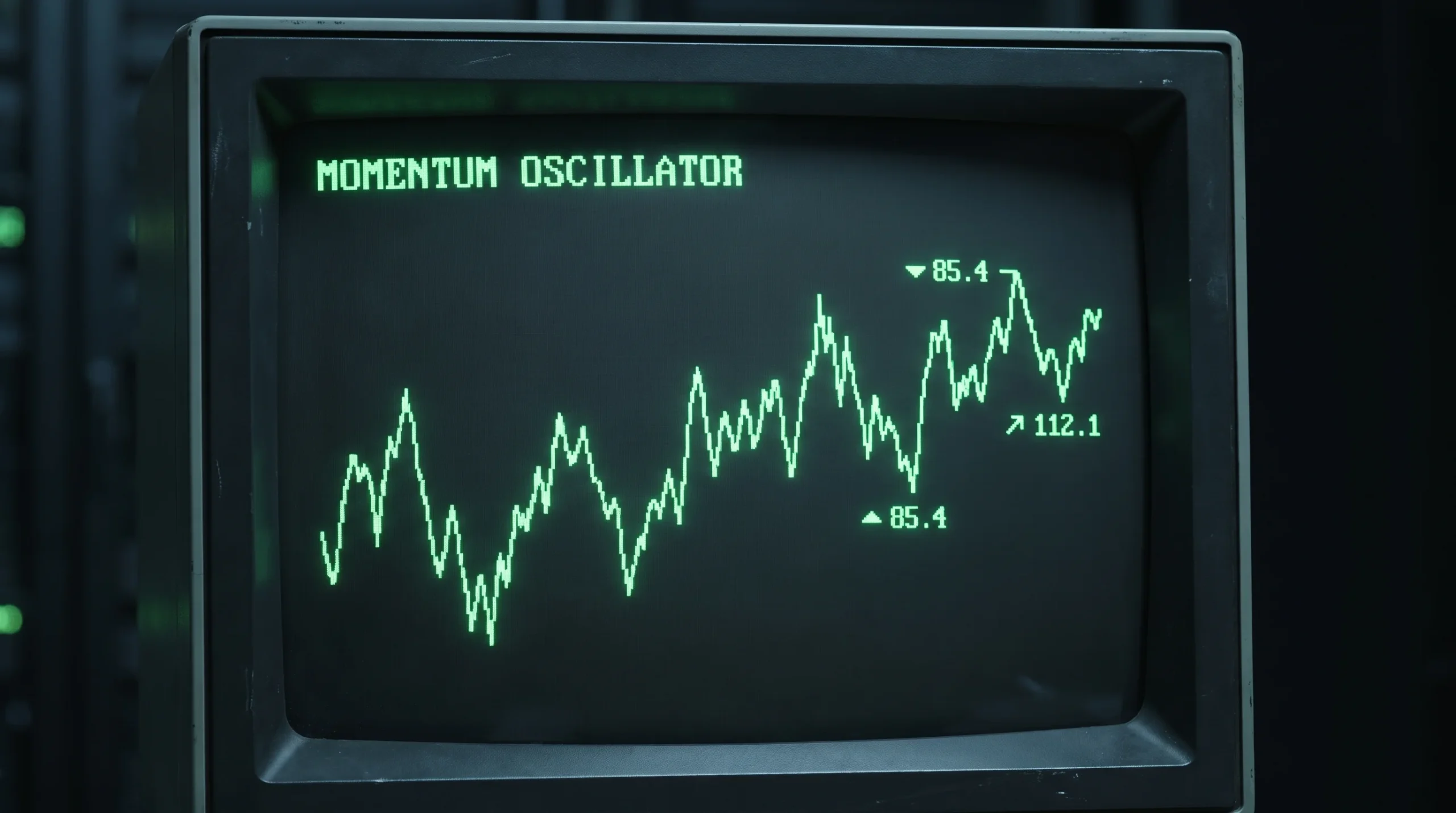
Zinc Rally Surge: Unpacking Record-High Prices and Future Market Predictions.
Zinc has recently emerged as a standout performer within the base metals sector, with prices on the London Metal Exchange reaching nearly four-year highs. Key drivers of this surge include significant supply disruptions caused by adverse weather conditions in China, the world’s largest zinc producer, coupled with dwindling inventories and robust industrial demand. These factors have led to a tightening market, as mine production struggles to keep pace with increasing consumption. Current pricing trends, reflected in MCX futures reaching approximately Rs 393 per kg, indicate heightened market pressure fueled by structural imbalances in supply and demand.
The primary catalyst behind the escalating zinc prices is the expectation of ongoing supply constraints. Heavy rainfall in pivotal mining regions of China has exacerbated production interruptions, while major mining companies have reported reduced output levels. This has contributed to a notable decline in LME warehouse inventories, which now suggest a diminished buffer against unexpected supply disruptions. Furthermore, the International Lead and Zinc Study Group (ILZSG) anticipates a slight global deficit in refined zinc this year, with demand predicted to marginally exceed production—an environment that generally supports upward price momentum as consumers vie for limited resources.
As zinc prices climb, the broader economic implications become increasingly significant. Approximately 50-60% of global zinc consumption is allocated toward galvanizing steel, a critical process utilized across numerous sectors, including construction, automotive, and infrastructure development. Consequently, rising zinc costs could lead to an escalation in production expenses for galvanized steel, which might translate into increased prices for a variety of consumer goods and construction projects. This interconnectedness indicates that while zinc itself is not a direct consumer commodity, fluctuations in its price will ultimately affect a wide range of economic sectors.
Looking ahead, the medium-term outlook for zinc remains fundamentally bullish, driven by tight supply constraints and strong ongoing demand. Projections suggest that the global refined zinc market may experience continued deficits, supporting elevated price levels in the near term. However, the recent sharp price increases raise questions about potential corrections should mine supply improve or if industrial demand softens due to economic deceleration. Historical trends indicate that after significant rallies, commodity markets often experience realignments. Therefore, investors should remain vigilant and prepared for potential price adjustments, even in a fundamentally positive environment.
Source: The Economic Times
(Expert Note: This report was prepared by the Wealthova team.)