
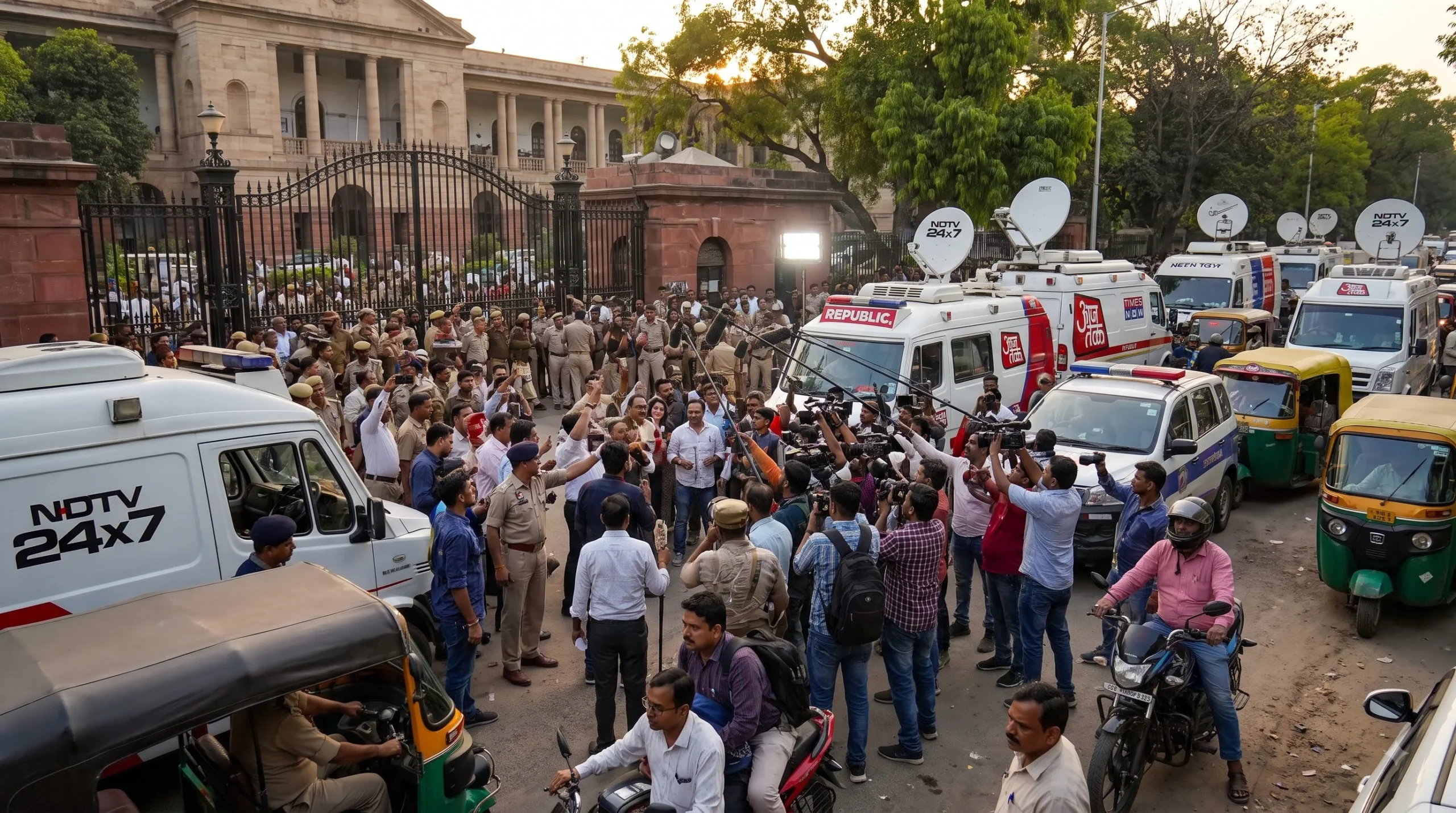
SC Denies Deadline Extension for Aravalli Panel Submissions, Upholding Timelines.
The Supreme Court’s recent decision to decline an extension for submitting representations to the high-powered committee (HPC) defining the Aravalli hills underscores a firm commitment to expedite the conservation process amid concerns of bureaucratic delay by vested interests. Chief Justice of India Surya Kant emphasized that any judicial extension could potentially be exploited, thereby hindering the ongoing efforts to protect these ecologically sensitive areas in Gujarat, Haryana, Rajasthan, and Delhi. The HPC is mandated to deliver comprehensive recommendations by August 31, which are pivotal for establishing a uniform definition of the Aravalli hills and implementing measures to regulate future mining activities across this vital ecological region.
During this legal discourse, the court faced criticisms regarding the outreach of the HPC’s notice, particularly from senior advocate Devashish Bharuka representing a non-profit organization focused on tribal communities in Gujarat. He argued that many of these communities are digitally illiterate and might not be aware of the committee’s activities, particularly in the context of site inspections primarily conducted outside Gujarat. Despite these concerns, the Chief Justice maintained the integrity of the HPC process, stating that the court will await the committee’s findings and rebuffing allegations of inadequate public engagement. This reflects a strict non-tolerance towards perceived attempts to delay the mandated conservation framework.
The establishment of the five-member HPC, convened after the Supreme Court’s retrospective decision in December 2025 to reconsider its previous order on the Aravalli’s definition, signals a significant policy shift towards environmental governance. The court is not only focused on the immediate parameters of ecological definition but has also directed the committee to evaluate the project’s short- and long-term impacts, taking into account diverse stakeholder voices, including environmentalists and local communities. Critically, the HPC’s deliberations and forthcoming report are expected to influence future judicial decisions, including a potential lift of the existing ban on mining in the Aravalli region during the court session scheduled for September 7.
The significance of the Aravalli range as an ecological barrier is paramount, acting as a vital ‘green lung’ for northwestern India while buffering against desertification. The Supreme Court has historically been vigilant about illegal mining activities in this region, which reached alarming levels according to a 2018 Forest Survey of India report. The ongoing judicial scrutiny and the proactive measures being taken through the HPC indicate a broader governmental intent to reinforce environmental regulatory frameworks, ensuring that the preservation of natural resources remains a cornerstone of national policy amidst increasing developmental pressures.
Source: Hindustan Times
(Expert Note: This report was prepared by the Wealthova team.)