
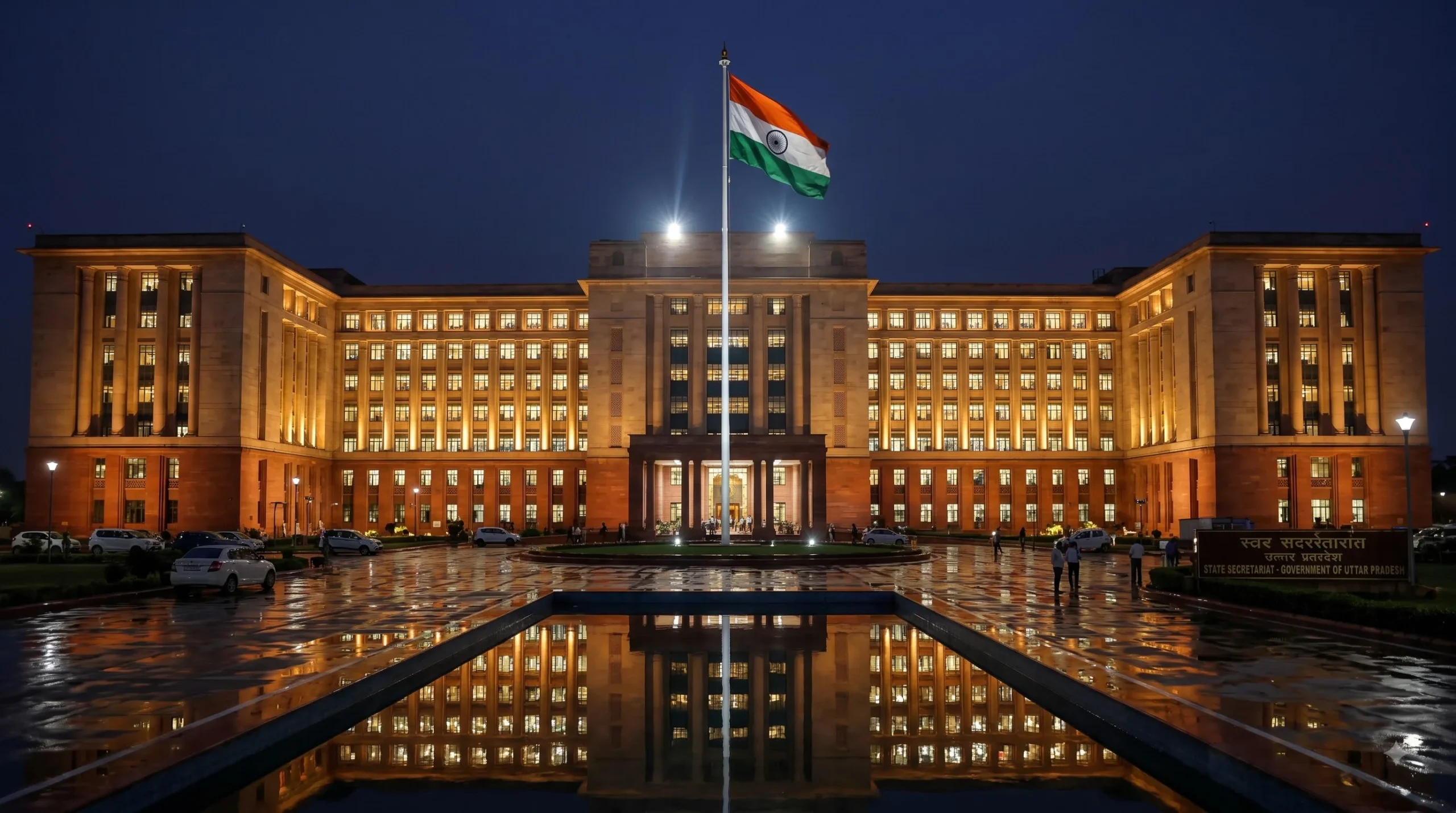
Four Detained in Bareilly During Police Raid on Shops Selling Non-Veg Food Along Kanwar Yatra Route
Recent developments in Uttar Pradesh highlight a significant increase in enforcement measures related to food sales along Kanwar Yatra routes, reflecting the government’s focus on maintaining community standards during religious observances. Authorities in Bareilly have detained four individuals for violating directives prohibiting the sale of non-vegetarian food, including meat and chicken, along these designated pilgrimage paths. This crackdown is part of heightened surveillance during the Sawan month, a period marked by increased pilgrim activity and communal gatherings, thus necessitating strict governance to ensure adherence to policy.
The police operation unfolded after reports indicated that a shop near the old Roadways bus stand was selling chicken biryani, despite prior warnings to cease such activities. Following the police raid, officials not only detained the shopkeepers but also demolished the physical infrastructure of the offending business. This decisive action underscores the authorities’ commitment to upholding previously established regulations aimed at fostering an environment conducive to the religious sentiments of Kanwariyas, who travel predominantly along these routes.
Furthermore, this trend of prohibiting non-vegetarian food sales during the Kanwar Yatra is not limited to Uttar Pradesh; similar measures have been initiated by the Municipal Corporation of Delhi. This coordinated approach across multiple regions indicates a broader strategy to manage the intersection of public health, religious practices, and communal sentiments, reinforcing a policy framework that seeks to mitigate social discord during sensitive periods. The Municipal Corporation has also highlighted the establishment of designated Kanwar camps, further streamlining the management of public logistics during this peak pilgrimage season.
In conclusion, the proactive measures taken by local law enforcement and municipal authorities reflect a clear governmental intent to regulate public behavior in alignment with cultural and religious expectations. As these enforcement actions continue, they may generate further discourse on the implications for civil liberties and economic activities among local traders, making it imperative for stakeholders to consider the balance between governance and community engagement in policy formulation.
Source: Hindustan Times
(Expert Note: This report was prepared by the Wealthova team.)