
Wall Street Tightens Its Crypto Embrace, Reshaping the Financial Landscape
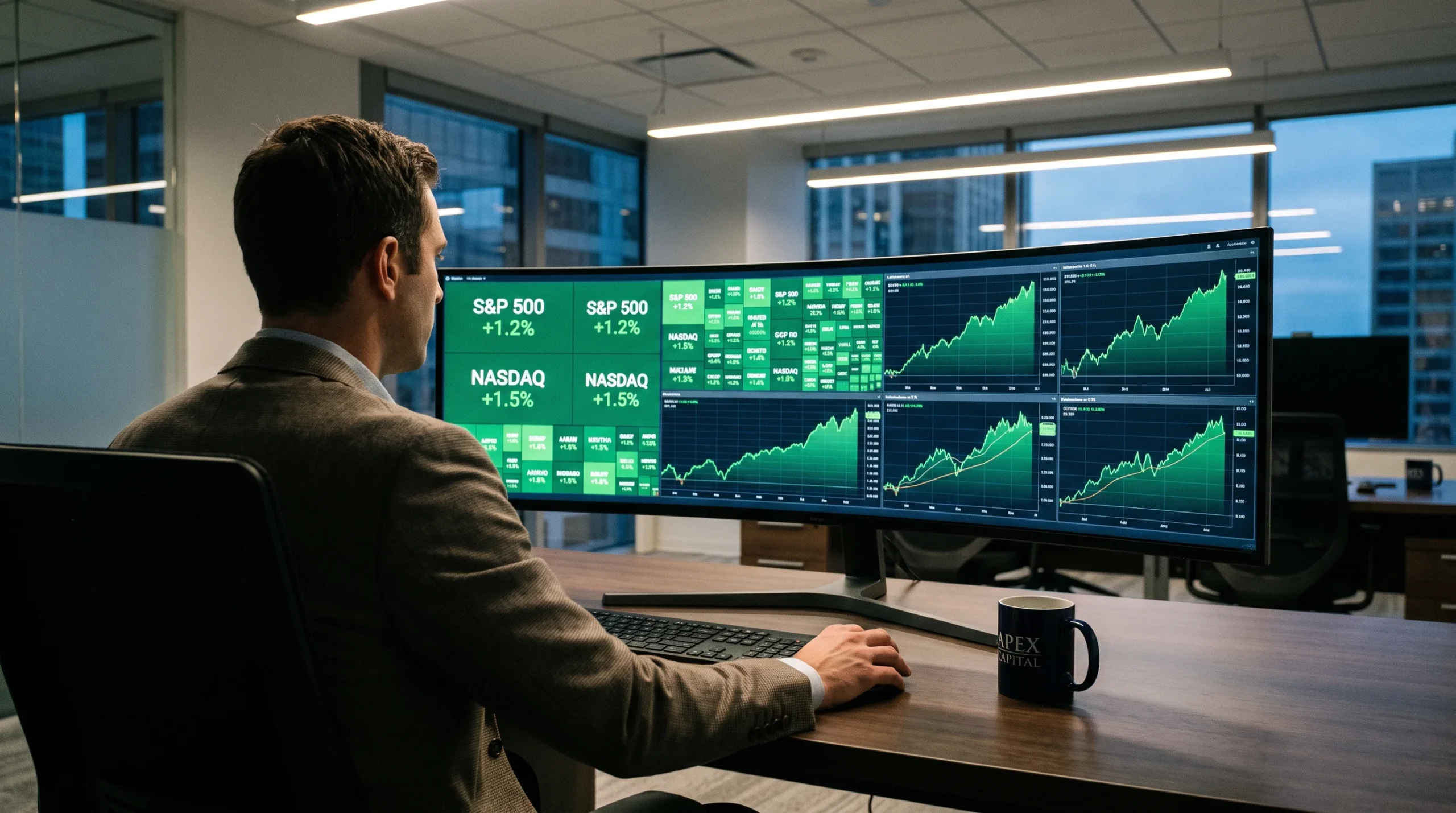
Recent analysis indicates a significant transformation within the cryptocurrency market, driven by an increasing dominance of institutional investors over retail traders. In the first half of 2026, institutional investors accounted for 72% of the spot trading volume on Wintermute’s over-the-counter platform, a notable increase from 59% in the prior year. This trend emerges amidst overall declining crypto trading volumes, suggesting that Wall Street has ascended to the role of primary liquidity provider, which in turn may contribute to reducing the market’s characteristic volatility. As traditional finance becomes more intertwined with crypto trading, the influence of professional traders is becoming increasingly pronounced.
The industry’s shift is accompanied by a noticeable change in how institutional players approach market exposure. Instead of direct asset purchases, there is a growing preference for derivatives, structured products, and exchange-traded funds (ETFs). This evolution reflects a broader trend towards an institutionally driven market structure, characterized by a concentration of capital and a heightened role for derivatives in expressing market exposure. Despite a tripling of altcoin options volumes on Wintermute’s OTC desk, liquidity remains concentrated among a select group of tokens, with professional investors displaying a preference for more liquid assets, contrasting sharply with the broader trading variety embraced by retail investors.
Crypto’s current bear market is distinct from previous downturns, having experienced a more gradual price decline. Bitcoin, for instance, is down approximately 50% from its peak of over $126,000 last October; however, this drop has not featured the extreme volatility typically associated with crypto winters. Analysts are suggesting that the behavior of cryptocurrencies is beginning to align more closely with traditional asset classes, marking a maturation phase for the market. Despite varying participation levels, some retail traders remain committed, though many share a sentiment of uncertainty regarding the asset’s valuation and future trajectory.
There are indications that the market may be approaching a bottom, yet definitive signals are elusive. The combination of institutional activity and a more measured decline in prices may foster a more stable environment; however, the consensus remains that identifying a market bottom is a retrospective endeavor. As conditions evolve and institutional influence expands, investors are urged to remain vigilant and adaptable in this changing landscape.
Source: The Economic Times
(Expert Note: This report was prepared by the Wealthova team.)