
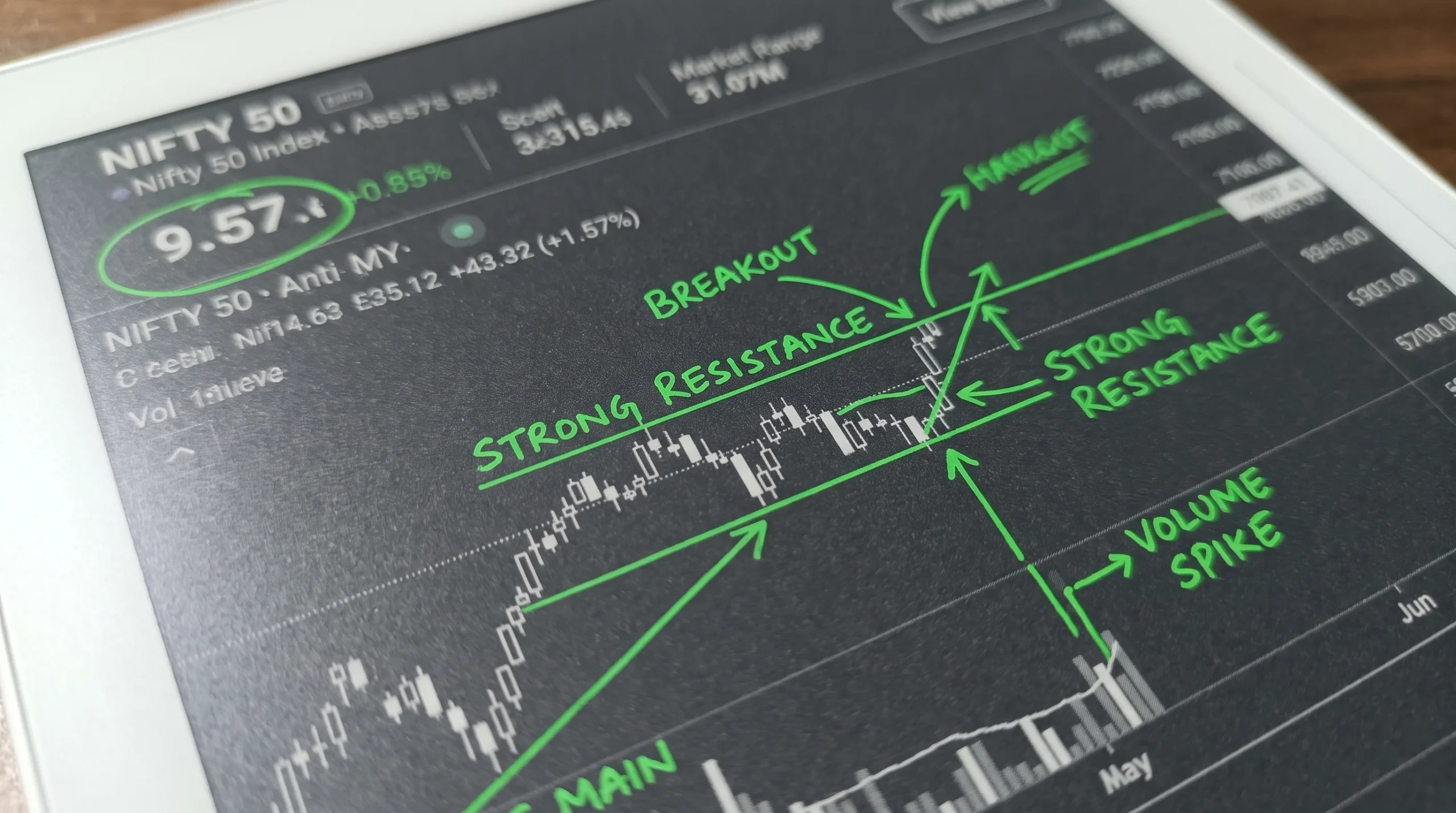
New Closing Auction Creates Confusion and Drives Late Swings in Nifty Index
Market participants experienced a significant shock during the inaugural trading session of the new auction system at the exchanges, leading to unprecedented divergence in index and stock values. The Nifty closed at 24,774.30, marking a substantial gain of 390.70 points or 1.60%, influenced by a notable late-session surge of 0.8%. Meanwhile, the Sensex ended at 78,639.03, up 544.39 points or 0.70%. Typically, the percentage gains between these indices do not fluctuate beyond 5-10 basis points, underscoring a particularly volatile market environment that caught many traders off guard.
The introduction of the closing auction system—a shift from the traditional volume-weighted average price (VWAP) calculation method employed over the last 30 minutes of trading—aims to enhance the robustness of official closing prices. This transition is designed to minimize the influence of large last-minute orders that can distort market values. Initial assessments suggest that while the intention behind this change is sound, the actual execution could require further refinement, as evidenced by the anomalous price movements observed on the first day of operation.
Traders are bracing for the system’s first major test with the upcoming expiry of NSE’s weekly derivatives contracts. The recent late-session spike serves as a reminder of how critical the determination of the official closing price can be, directly influencing the settlement of stock futures and options. The divergence noted may be partially attributed to a significant influx of institutional buy orders for Nifty heavyweight stocks during the closing auction, which disproportionately elevated their prices. This contrasts sharply with past practices, where these large orders would have been assimilated over an extended period, potentially mitigating their impact.
As this new framework unfolds, market participants must remain vigilant and assess its implications closely. The market’s response to the closing auction, particularly during high-stakes periods like derivatives expirations, will be pivotal in determining whether this new approach lends itself to greater stability and predictability or if it exacerbates existing volatility. Observers are advised to monitor these dynamics closely, as they could lead to significant shifts in trading strategies and investor sentiment in the near term.
Source: The Economic Times
(Expert Note: This report was prepared by the Wealthova team.)