
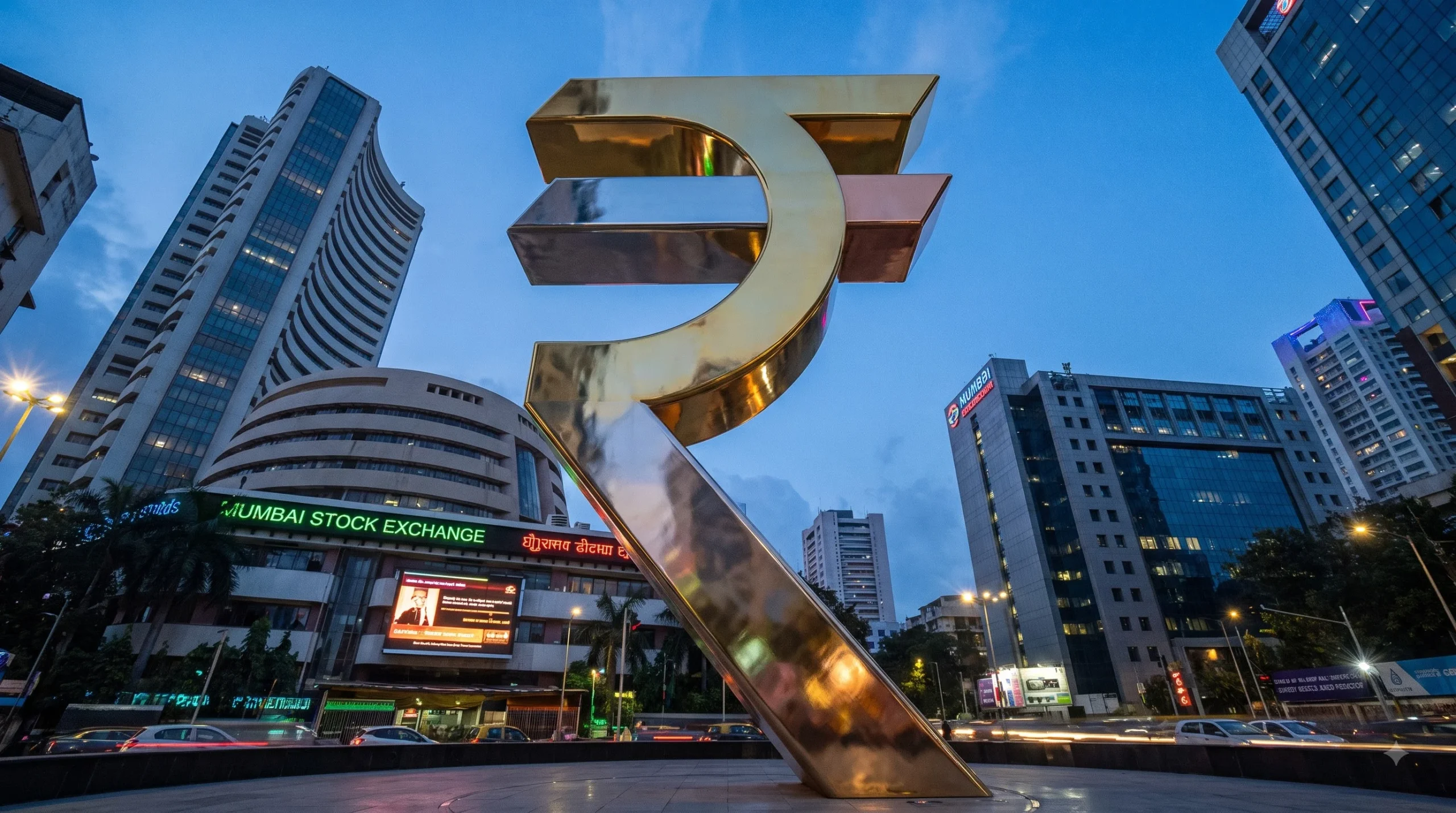
Gross GST Collection Surges Over 15% in July, Signaling Economic Resilience.
The Goods and Services Tax (GST) collection for July surged over 15% to exceed ₹2.11 lakh crore, indicating robust economic activity. This increase is noteworthy in the context of a 10% rise in domestic collections, amounting to roughly ₹1.45 lakh crore, alongside a remarkable 19% growth in collections from imported goods, totaling over ₹66,000 crore. The data suggests widespread growth across 28 out of 36 states and Union Territories, with significant contributions from major economies such as Maharashtra and Gujarat. Analysts attribute this buoyancy to proactive compliance due to impending deadlines and geopolitical tensions, particularly in energy pricing, which has influenced import costs.
For the common citizen, the rise in GST collections heralds an encouraging economic environment characterized by increased consumption and industrial activity. The growth in domestic consumption suggests that households are spending more, buoyed by stable employment and income trends post-pandemic. However, the high levels of GST collections from imports raise concerns about the nation’s manufacturing capabilities, underscoring a reliance on foreign goods despite government initiatives aimed at promoting local production. The implications for the market are significant; the continuing growth in GST revenue could reinforce investor confidence and encourage further investment in domestic enterprises.
Looking ahead, the government’s and RBI’s commitment to address the challenges highlighted by these figures will be crucial. Experts suggest that sustained growth in GST collections may pave the way for a new phase of GST reforms, potentially culminating in “GST 3.0.” These reforms could encompass structural adjustments, legislative enhancements, and administrative streamlining as the GST regime approaches its tenth anniversary. Additionally, bolstering domestic manufacturing through localization efforts may help mitigate the current reliance on imports while supporting long-term economic resilience and stability.
Source: The Hindu
(Expert Note: This report was independently prepared by the Wealthova Economy team.)